
Autisme Rwanda
Loading autism support resources...
Autisme Rwanda
Loading autism support resources...
Over 12 years supporting children and youth with autism spectrum disorders through education, family support, awareness and inclusion.
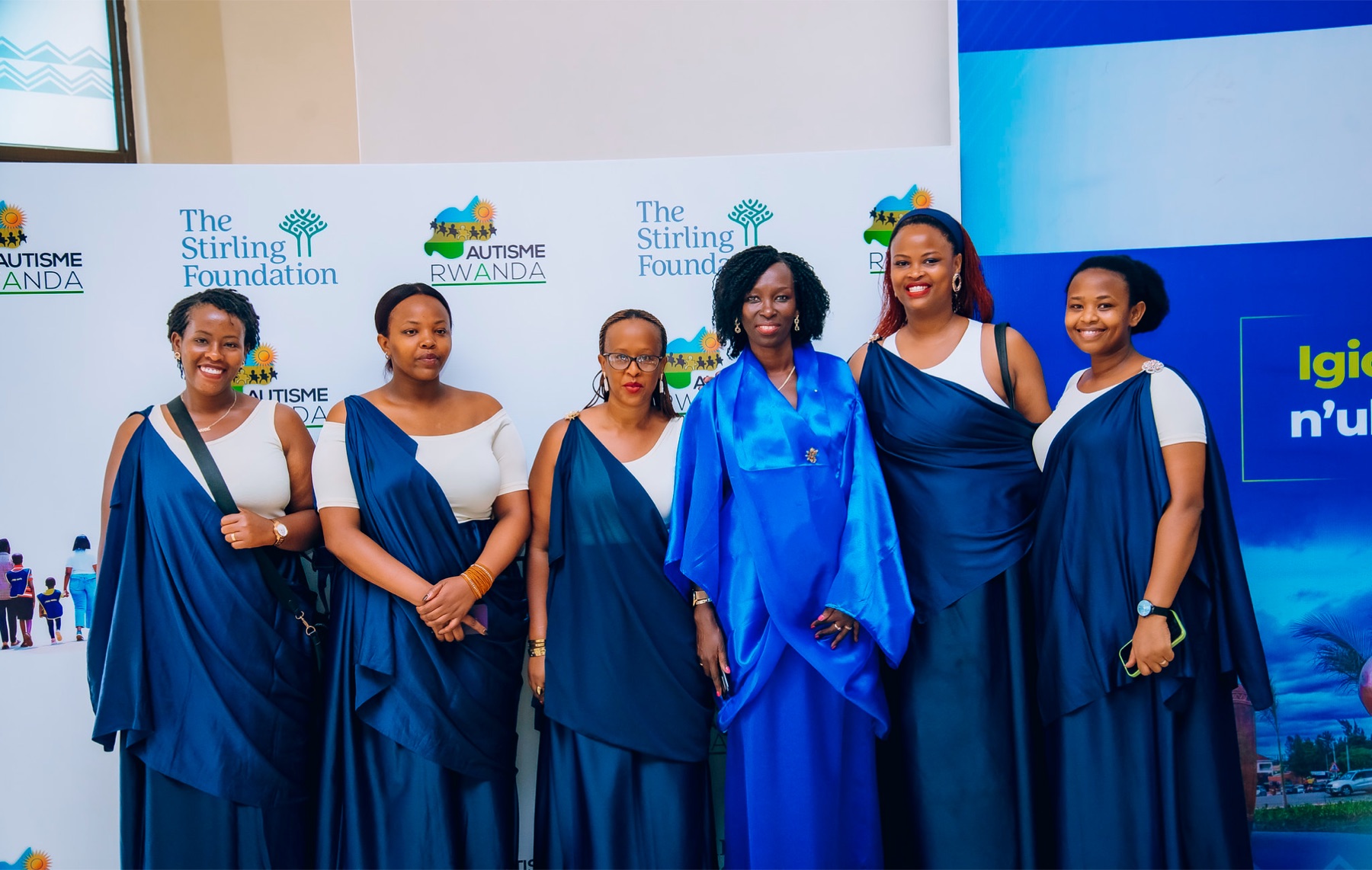
Autisme Rwanda is a non-governmental organization (NGO) founded around 2014 in Kigali by Rosine D. Kamagaju.
Its mission is to facilitate the daily lives of people living with autism and their families, promoting their educational, social, and professional inclusion.
Its vision is a society that embraces neurodiversity, recognizing the humanity and potential of individuals with autism.
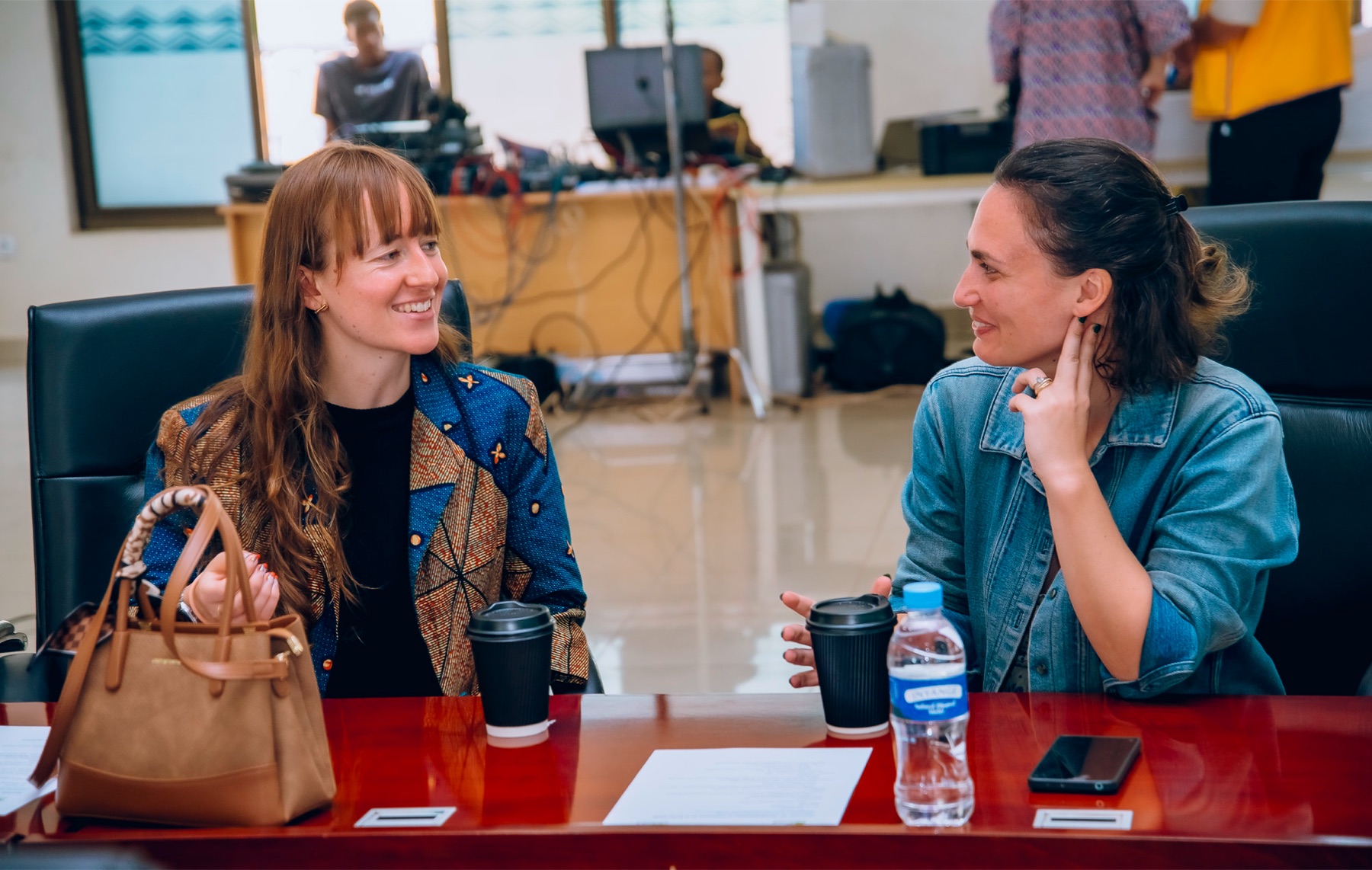
Facilitate the daily lives of people living with autism and their families.
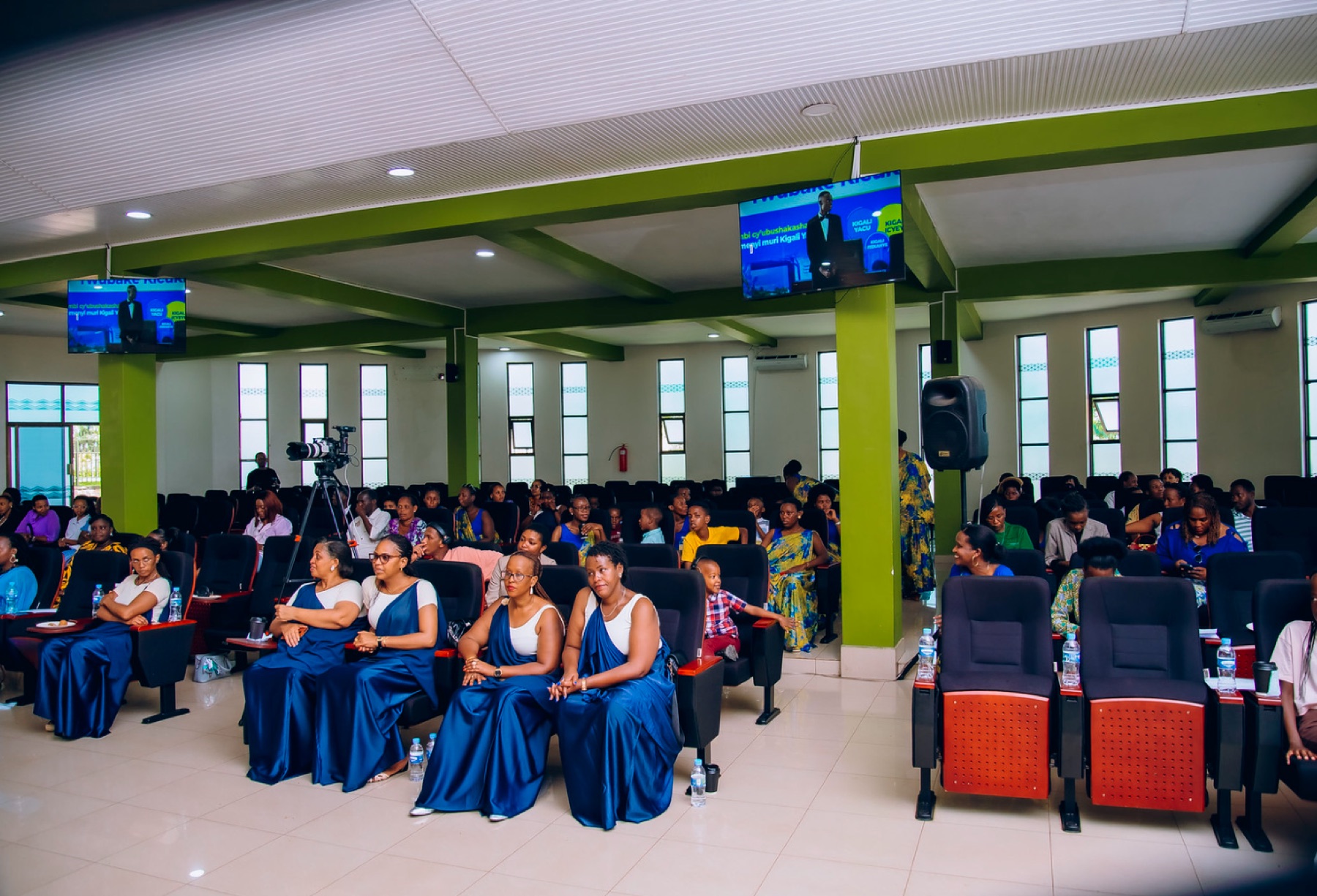
A society that opens up to people living with autism and recognizes their humanity and skills.
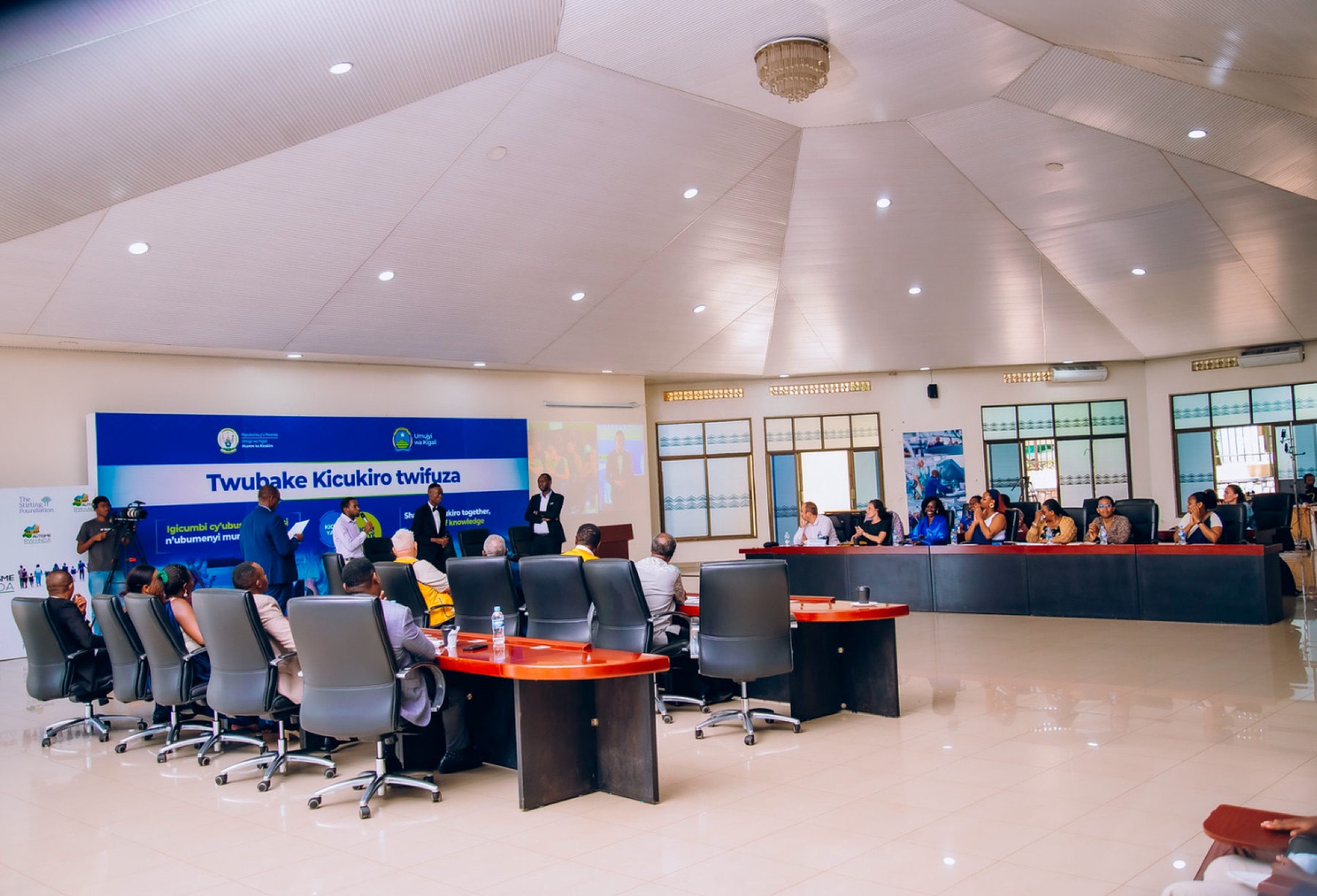
Dedicated to delivering excellence
Proud to challenge
Respectful
Autisme Rwanda is driven by a dedicated team working with families, children, youth, educators, communities and partners to strengthen autism support and inclusion.
Meet the teamAutisme Rwanda adopts a participatory, evidence-based approach to autism awareness, family support, inclusive education, community referrals and follow-up. Our strategies include:
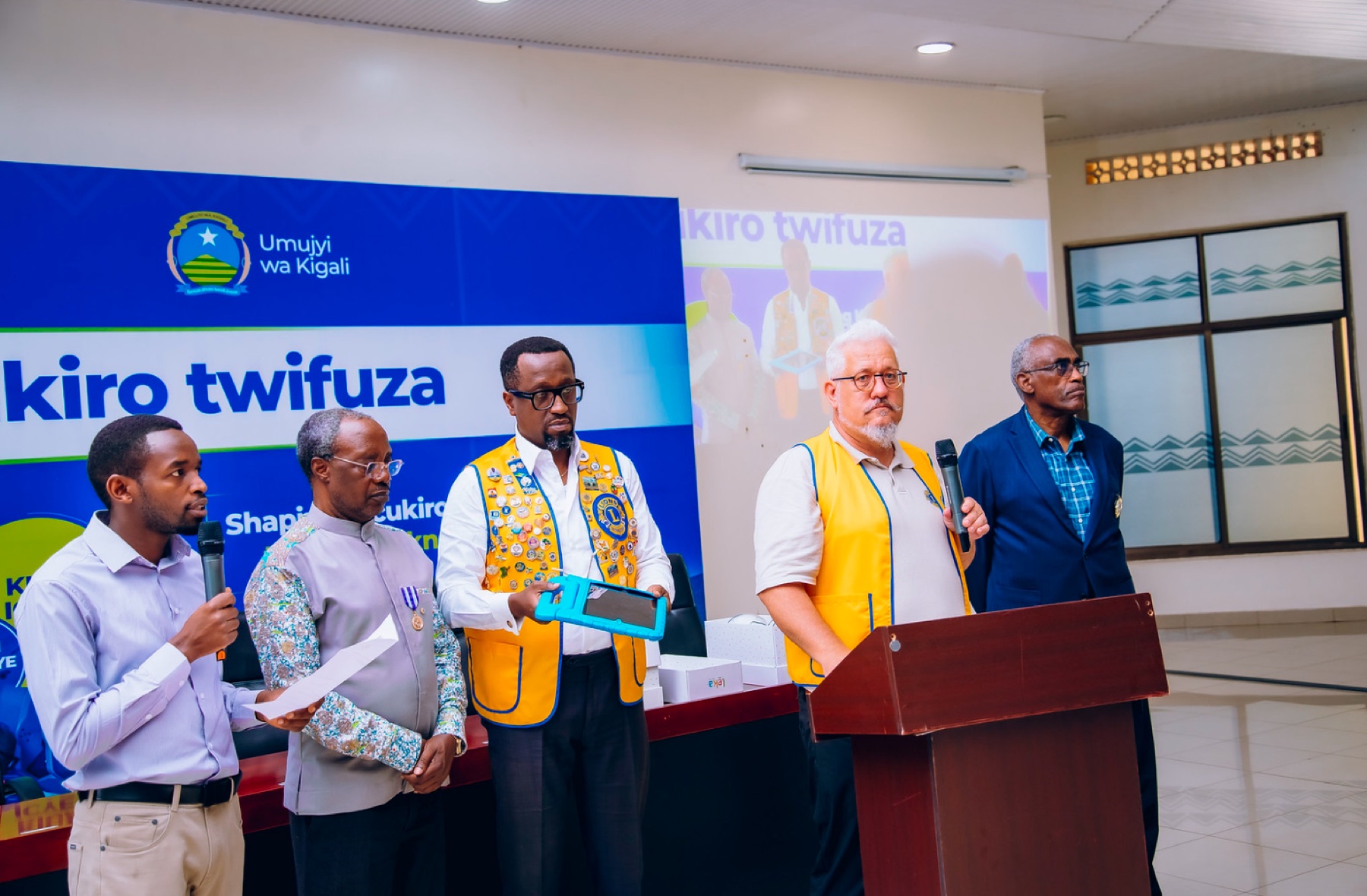
• Collaborative Partnerships: Working with families, schools, health actors, district representatives and partners to strengthen autism awareness, screening, referral and support.
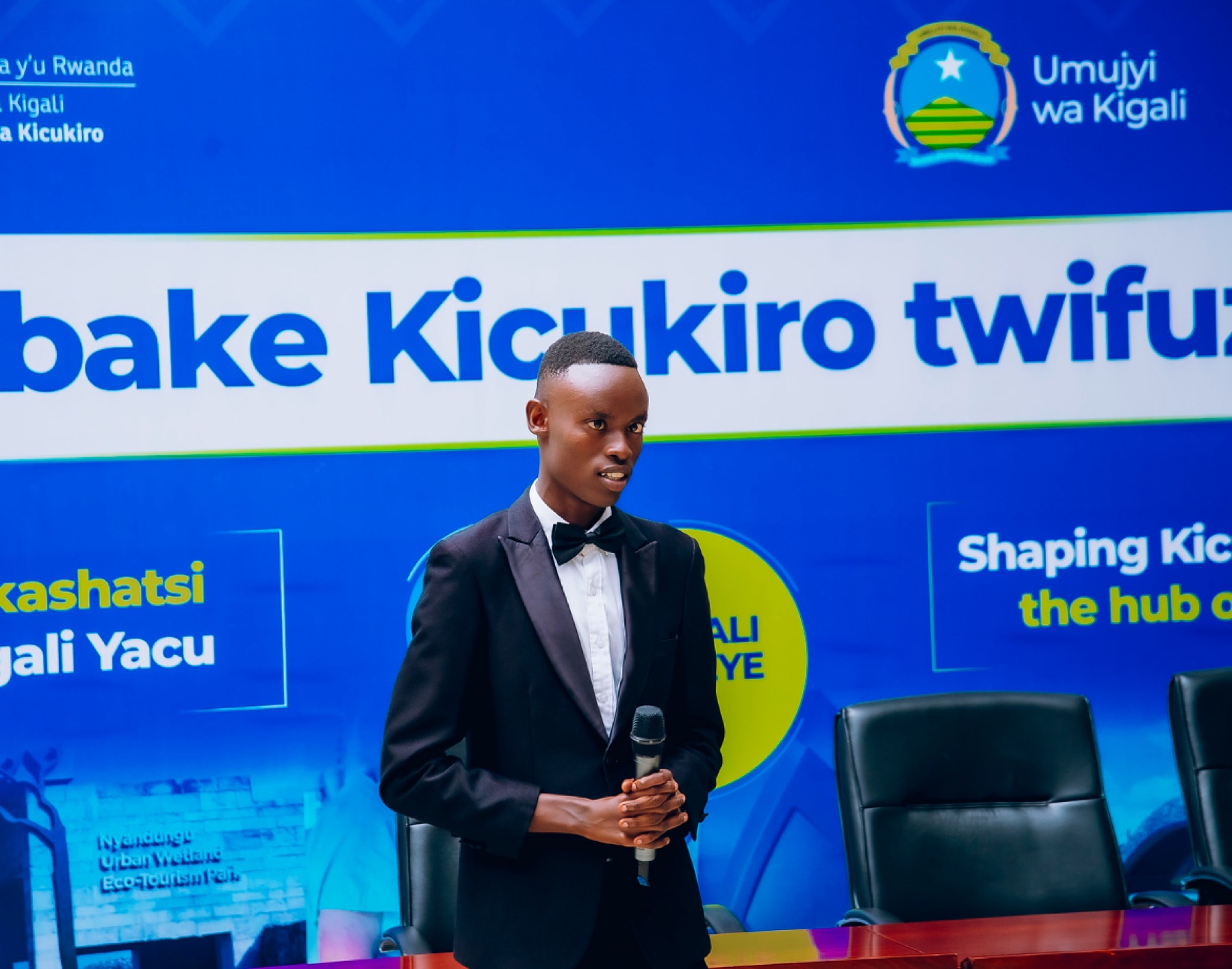
• Community-Driven Advocacy: Engaging stakeholders at grassroots, district and national levels to identify barriers to education access and develop inclusive solutions.
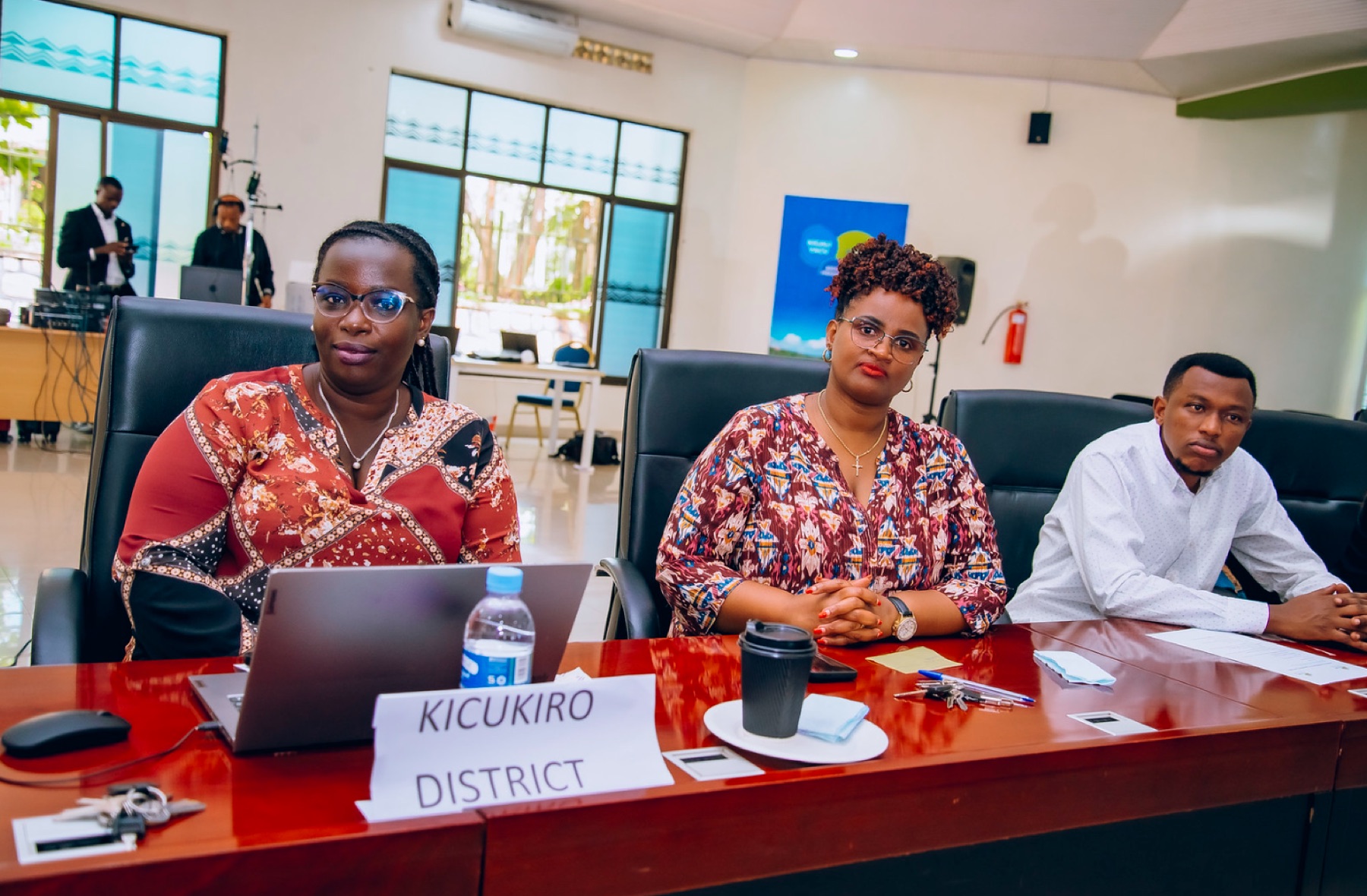
• Inclusion of Marginalized and Vulnerable Groups: Prioritizing women, children with disabilities, and rural communities to ensure equitable representation in policy and practice.
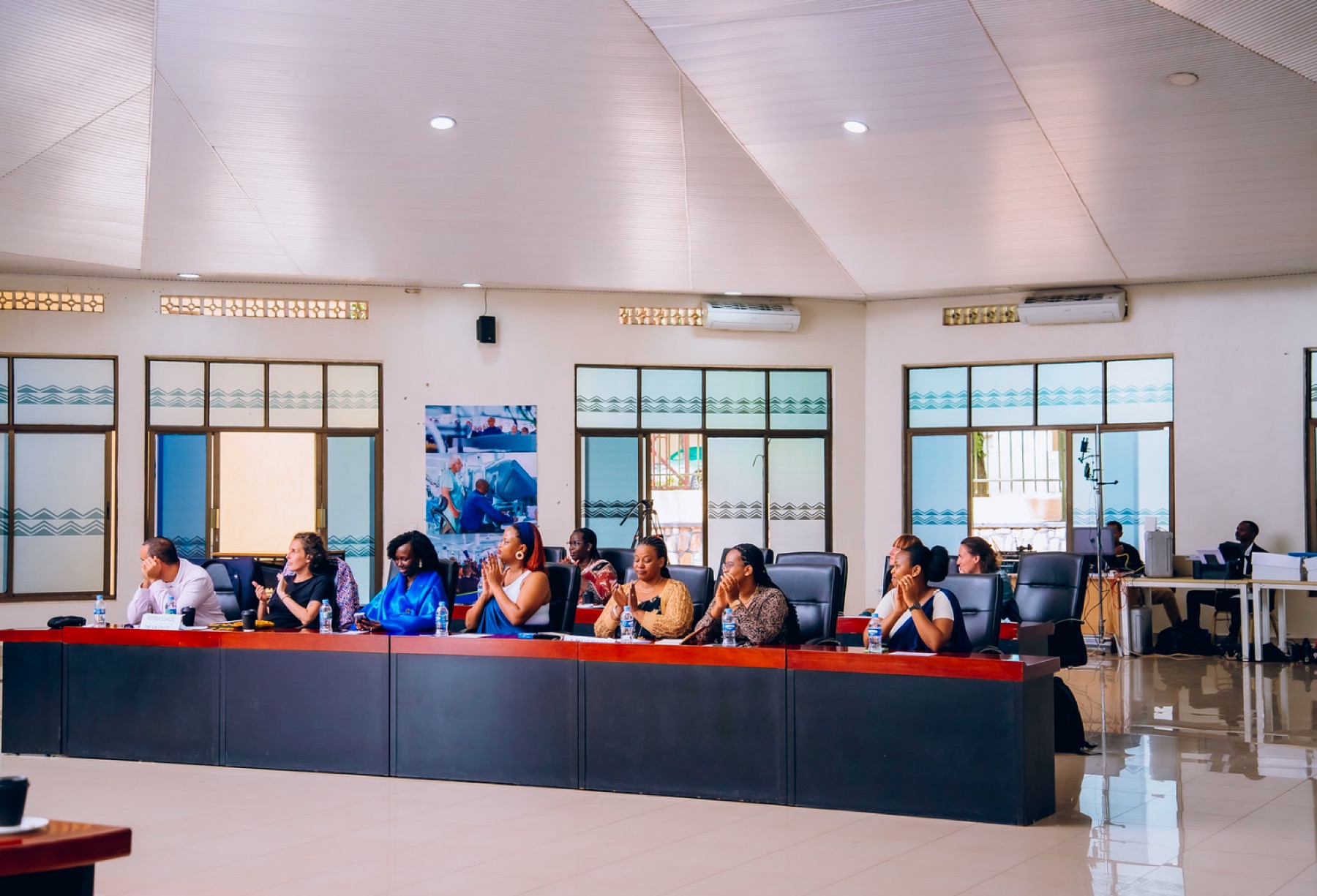
• Evidence-Based Advocacy: Conducting research, monitoring, and evaluation to inform policy reforms and drive systemic change.
• Rapid Feedback Mechanisms: Utilizing agile learning cycles and community feedback to adapt interventions, ensuring responsiveness to local needs.
Our approach is rooted in a Theory of Change that links autism awareness, early screening guidance, caregiver support, professional referrals, school inclusion, partnership strengthening, and community feedback to stronger family confidence, better access to support, inclusive services, and evidence-based planning across Rwanda.